
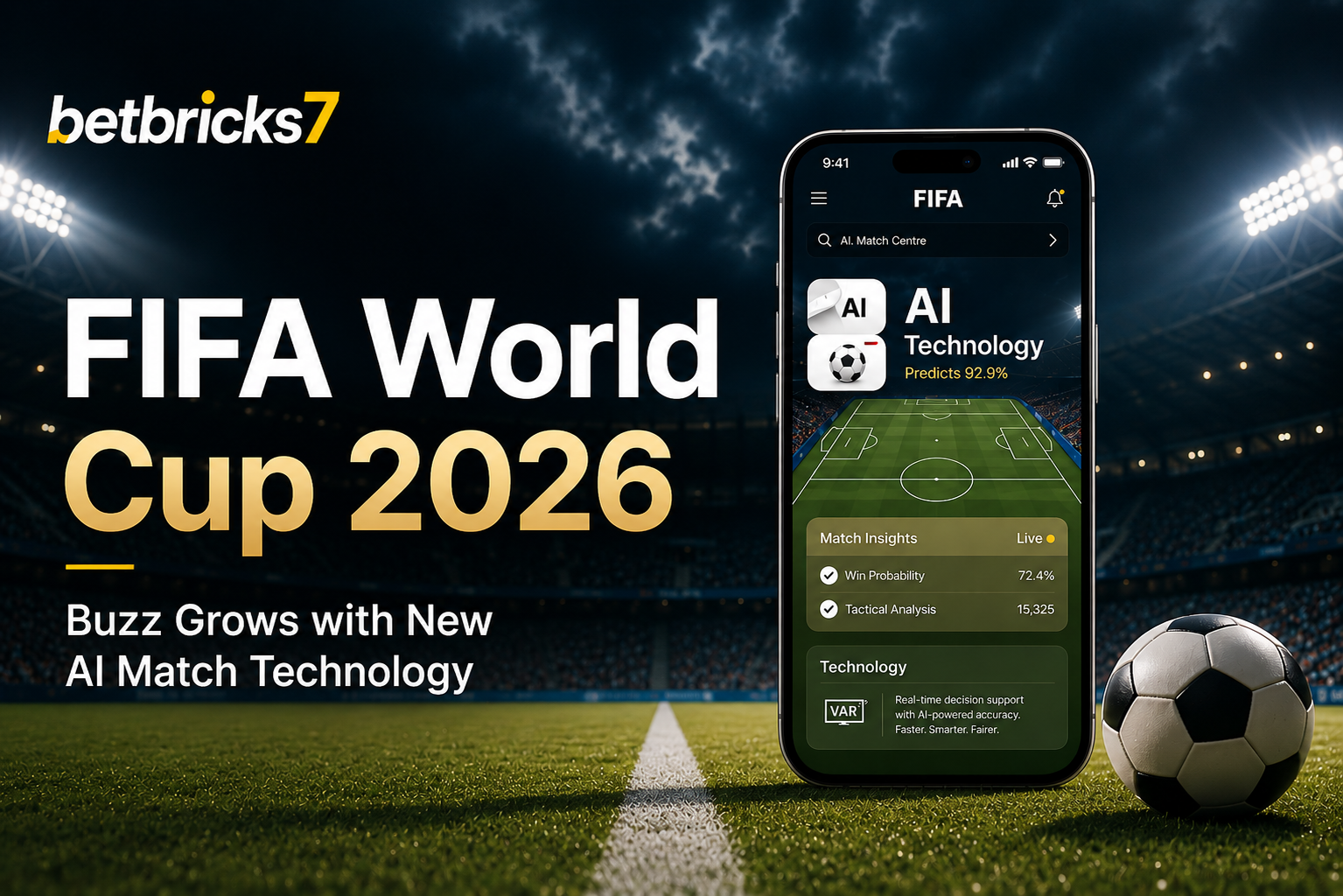
The FIFA World Cup 2026 is already getting attention for many reasons. It will have more teams and games across three countries. Another topic is growing fast: AI in football. Teams, and broadcasters already use data tools to support decisions. AI could take this further during the tournament. Some people believe it may improve fairness and match analysis. Others worry about relying too much on machines. As discussions continue, football fans want to know what AI could actually change during the biggest tournament in the sport.
AI Is Becoming a Bigger Part of Football
AI already supports football behind the scenes. Clubs use data to study player movement, and match patterns. Broadcasters also use automated tools to create statistics in real time.
The FIFA World Cup 2026 may push these systems further. That does not mean AI will replace referees or players. Instead, it may become another layer that helps people make faster decisions.
1. Faster Referee Support During Key Moments
Referees handle pressure in every major tournament. Small mistakes can affect matches and fan reactions for years. Because of this, football groups keep testing new support systems.
This focus on speed connects directly to how AI could assist officials during important calls:
- AI tools may review offside positions in seconds.
- Ball tracking systems could help confirm goal-line decisions.
- Real-time alerts might support referees before final calls are made.
These systems would still need human approval. Referees may remain responsible for final decisions. AI could shorten delays instead of replacing judgment.
2. Better Match Analysis for Teams
Teams spend hours studying opponents before games. Coaches already depend on video reviews and player reports. AI could make this process quicker.
That leads to another possible use: turning large amounts of match data into practical insights.
- AI may detect repeated patterns in opposing teams.
- Coaches could receive reports on weak defensive areas.
- Systems might compare player performance over several matches.
The goal would be to support preparation. Coaches would still decide tactics. AI may simply organize information in a clearer way.
3. Smarter Fitness Tracking for Players
Player fitness matters even more in tournaments with short recovery times. Fatigue can increase injury risk. Teams want players ready for every match.
This is where AI-based monitoring may become useful:
- Wearable data could track recovery levels.
- Systems may identify signs of overtraining.
- Medical teams might receive early warnings about strain.
These tools may help protect players during packed schedules. Human medical staff would still review findings. Technology alone cannot understand every physical condition.
4. More Detailed Viewing for Fans
Fans want more than scores today. Many follow player stats, heat maps, and tactical breakdowns while watching live games. AI may add another level to broadcasts.
This connection between data and viewing habits creates new options:
- Broadcasters could show instant tactical analysis.
- AI might generate live performance comparisons.
- Fans may receive personalized match highlights.
More information could make games easier to follow. Casual viewers may understand tactics better. Too much data, however, could distract from the match itself.
One area attracting attention in football discussions and betting circles is how AI insights may shape predictions and match analysis shared by Betbricks7 app.
Some People Have Concerns About AI in Football
New technology often creates debate. Football fans care deeply about fairness and tradition. That is why AI discussions bring mixed reactions.
Supporters see benefits. Critics ask where limits should exist. These concerns may intensify as the FIFA World Cup 2026 approaches.
1. Fear of Too Much Dependence on Technology
Football has always involved human judgment. Referees, coaches, and players make decisions under pressure. Some people worry AI may reduce that human side.
These concerns connect to questions about balance:
- Fans worry officials may trust systems too quickly.
- Critics ask who checks AI errors.
- Some believe football could lose spontaneous moments.
Human oversight would remain important. Technology works best with review processes. Trust often depends on transparency.
2. Questions About Accuracy
AI systems depend on data quality. Incorrect inputs may lead to poor suggestions. Even advanced tools can fail.
That concern raises several issues:
- Camera angles may affect automated decisions.
- Technical faults could create delays.
- Different systems may interpret situations differently.
People expect fairness in major tournaments. Small mistakes become global talking points. Accuracy standards would need to stay high.
3. Data Privacy Around Players
Modern football collects large amounts of information. Fitness data and performance tracking are already common. Some people ask where limits should be set.
These concerns often focus on player rights:
- Questions remain about who owns collected data.
- Players may want stronger control over health records.
- Teams could disagree on data sharing practices.
Privacy discussions may grow in future tournaments. Rules would likely need updates. Clear policies help build trust.
FIFA World Cup 2026 Will Be Different in Many Ways
The FIFA World Cup 2026 already stands apart because it will involve the United States, Canada, and Mexico as hosts. The tournament will also include 48 teams instead of 32. That means more matches and wider global attention.
AI discussions fit into these changes. Football is becoming more connected with data, faster analysis, and digital tools. The next World Cup may show how much technology can support the sport while keeping its human side.
The biggest question is not whether AI will appear. The bigger question is how much influence people will allow it to have.
Conclusion
The FIFA World Cup 2026 could become one of football’s most discussed tournaments. Expanded participation and growing AI use may change how matches are analyzed and watched. Supporters see chances for faster decisions and stronger insights. Critics want limits and accountability. The balance between technology and human judgment will matter most. Football has changed many times over the years, and AI may become another step in that shift. Discussions from Betbricks7 show that interest in AI and football may continues to grow before the tournament begins.
FAQs
1. Will AI replace referees in FIFA World Cup 2026?
No. AI is more likely to support referees with faster reviews and data. Final decisions would still involve human officials.
2. How can AI help football teams?
AI may help teams analyze opponents, study player performance, and monitor fitness levels.
3. Are there risks linked to AI in football?
Yes. Concerns include accuracy problems, overdependence on technology, and player data privacy.
4. Why is the FIFA World Cup 2026 receiving extra attention?
The tournament will feature 48 teams, multiple host countries, and growing discussion around advanced technologies like AI.